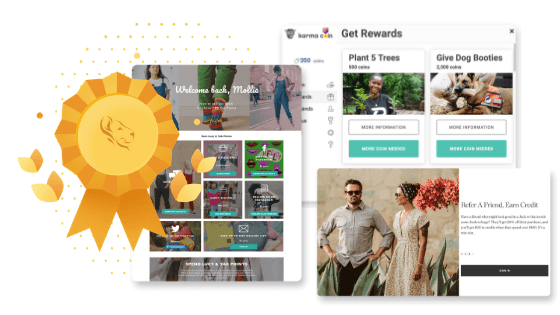
The best loyalty programs offer:
These loyalty programs tend to get great results: retention improves, average order values go up, and customer lifetime value increases, reducing the brand’s dependence on expensive acquisition channels.
Loyalty programs are only becoming more important as we go into 2027: according to our original research, 59% of people are more likely to sign up to a loyalty program than they were 12 months ago – rising to 71% and 72% among Gen Z and Millennial shoppers.
Amid a widespread decline in customer loyalty, a rewards program is an essential part of your loyalty strategy. SAP Emarsys’s 2025 Customer Loyalty Index found that “true loyalty” – a deep, emotional attachment to a brand – fell from 34% to 29% in a single year, the steepest drop in the index’s history.
Forrester’s 2026 predictions warn that price increases could alienate up to a third of customers unless brands strengthen their loyalty programs.
(If you’d like to see what kind of ROI you could earn from a loyalty program, use our loyalty program ROI calculator.)
In this article, we’ll look at some of the most effective customer loyalty programs out there:
Summary:
| # | Brand | Industry | Type |
|---|---|---|---|
| 1 | Sephora | Beauty and cosmetics | Points-based, Tiered |
| 2 | Starbucks | Food & drink | Points-based, Tiered |
| 3 | LEGO | Toys | Value-based |
| 4 | MoxieLash | Beauty and cosmetics | Points-based, Value-based |
| 5 | Astrid & Miyu | Fashion | Tiered |
| 6 | Barnes & Noble | Bookseller | Points-based, Subscription |
| 7 | Amazon Prime | Ecommerce | Subscription |
| 8 | TheCHIVE | Entertainment | Gamified |
| 9 | Lively | Fashion | Points-based, Value-based |
| 10 | Pulse Boutique | Fashion | Points-based, Value-based |
| 11 | Annmarie | Beauty and cosmetics | Points-based |
| 12 | Pacifica | Beauty and cosmetics | Points-based, Value-based |
| 13 | Mirenesse | Beauty and cosmetics | Points-based, Tiered |
| 14 | The North Face | Fashion | Points-based, Value-based |
| 15 | REI | Fashion | Subscription |
| 16 | Lucy and Yak | Fashion | Points-based, Tiered |
| 17 | Waterdrop | Food & drink | Points-based, Value-based |
| 18 | Nicce | Fashion | Points-based |
| 19 | Bobo’s | Food & drink | Points-based |
| 20 | 100% Pure | Beauty and cosmetics | Points-based, Tiered |
| 21 | Dr. Axe | Health and fitness | Points-based, Value-based |
There are four main kinds of loyalty program:
Each has been used to great effect. Here’s why the best have succeeded (and why others might fail).
Loyalty points programs reward customers with points for purchases, which can be redeemed for discounts, exclusive products or other rewards.
One of the most lauded points-based loyalty programs is Sephora’s Beauty Insider Program.
Customers can redeem their points to unlock a wide range of rewards, such as the chance to test a range of “trial-sized” products, and unique experiences such as full-face makeovers.
Our research suggests customers value these rewards highly: 84% of shoppers consider free product rewards important in a loyalty program, and 58% value in-store experiences.
This works particularly well in the beauty industry, where creativity and experimentation are so fundamental.
That’s why beauty loyalty programs are often the most popular with customers, and the most profitable for brands: among LoyaltyLion customers, beauty brands with $1-2m in annual revenue averaged $607,000 in loyalty revenue by year 3; the highest-performing programs reached $1.3m.
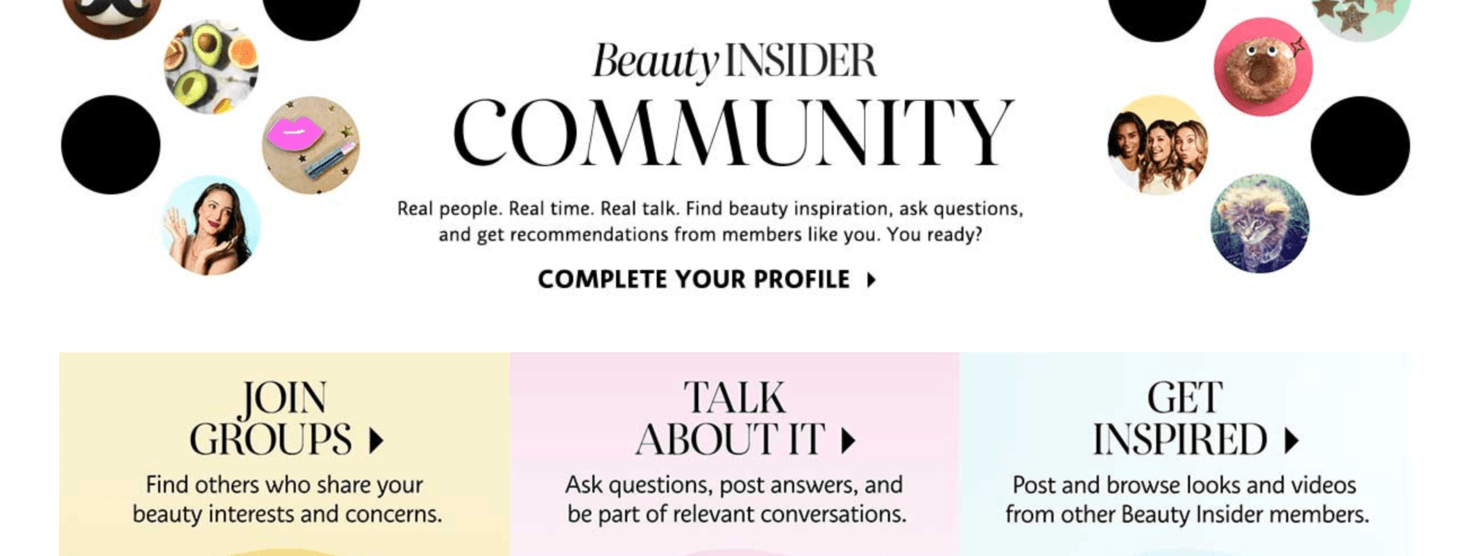
Sephora also capitalizes on the community-driven nature of the beauty industry — Reddit’s r/makeupaddiction community alone has over 4 million members — with its “Beauty Insider Community”, a space that lets beauty lovers find their inspiration and seek advice from other members. (Fostering social engagement is a great example of how to build brand loyalty, and for many brands it should be a key part of any loyalty program strategy.)
The French retail brand stays ahead of the curve by getting one vital thing right: it continues to transform and tweak the loyalty reward program to best meet the ever-changing needs of its customers. And that’s a great way to stop them from losing interest, and a perfect example of how to build brand loyalty. It’s why Sephora’s loyalty program is so successful.
Although largely points-based, Beauty Insider is actually a hybrid loyalty program: its points-based structure is complemented by loyalty tiers. In the US, the tiers are “Insider”, “VIB” and “Rouge”. As well as tapping into the usual benefits of tiered loyalty programs, this encourages further discussion and engagement online, with a number of Reddit threads about the best ways to use Sephora points.
In July 2024, Sephora launched a tiered loyalty system in the UK — “MySephora Bronze”, “MySephora Silver” and “MySephora Gold”.
Scale matters too: Beauty Insider reportedly reached a record 45 million North American members in 2025, and in 2026 Sephora expanded its annual member event into a month-long Beauty Insider Celebration Month, with perks for every tier throughout August.
Another classic example of a points-based loyalty program is the loyalty card. You buy your items in a store, scan your card, and receive points based on the total value of your purchase. It’s a simple, clear reward that plays especially well in those industries where purchases are frequent and increasing average order value is a priority.
Starbucks Rewards is one of the most successful loyalty programs ever built. It started in 2009 and quickly became a core part of how Starbucks makes its money.
You earn Stars when you buy things. You trade those Stars for drinks or snacks.
Since March 2026, it’s been fully tiered. Members sit in one of three levels – Green, Gold and Reserve – and earn Stars based on how much they spend, not how they pay. Gold members earn 20% faster and their Stars never expire; Reserve members earn 50% faster again and unlock exclusive merchandise and experiences.
Starbucks emphasises ease of sign-up — you can join the program in a few seconds — and a clear visual representation of your progress.
The scale is hard to match. In Q1 of fiscal 2026, Starbucks Rewards hit an all-time high of 35.5 million 90-day active US members, and in fiscal 2025 members drove nearly 60% of US company-operated revenue: more than $13 billion in spend.
The whole thing works because it’s frictionless and rewarding. Customers don’t have to think hard about it. The app tracks your progress, nudges you with offers, and reminds you of the treat just around the corner. It turns habit into loyalty, and loyalty into growth.
Value-based loyalty programs are a bit like points-based ones, but customers can earn points in other ways than just making purchases.
The hugely impressive LEGO Insiders program, for example, rewards customers not just for purchases, but also for registering LEGO sets and getting involved in the customer community.
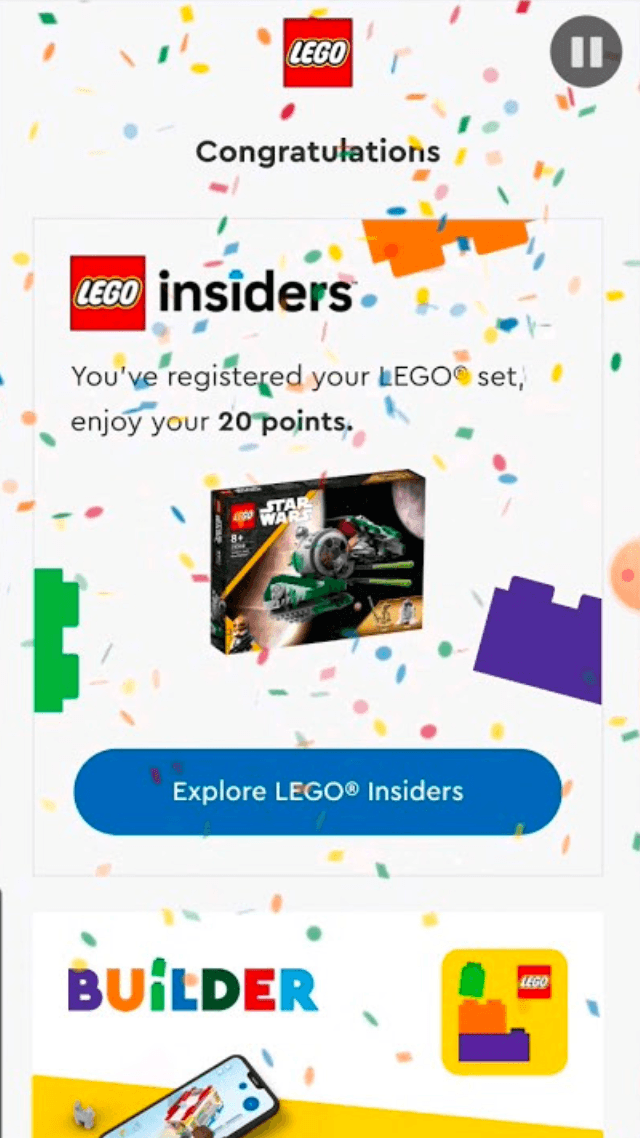
It works because LEGO enjoys such a strong emotional connection with its customers. People love their LEGO, and the company maintains this sense of reciprocity through initiatives like LEGO Ideas, through which customers’ original designs can be turned into official products via a voting process.
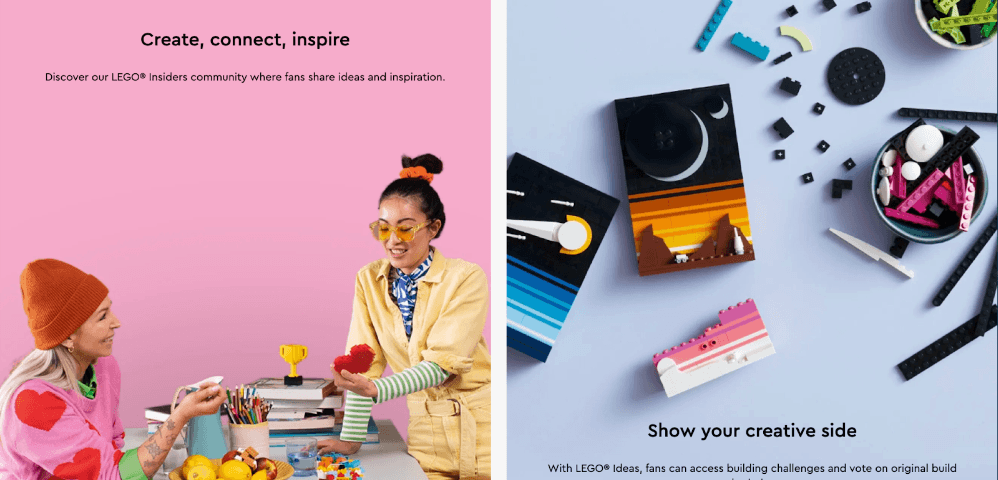
Building this kind of loyalty is incredibly valuable for a brand that sells high-ticket items, and for which increasing purchase frequency is essential.
Like Sephora, LEGO Insiders also generates more engagement and discussion online. In this Reddit thread, LEGO enthusiasts speculate on an upcoming offer, which does wonders for building hype around the reward program.
If your customers have an emotional connection to the kinds of products you sell, consider how you can use that to improve your customer loyalty program.
The MoxieLash Insider program is another excellent example of a retail brand using a value-based loyalty program. Like Sephora, they understand the value of building a community of advocates, especially on social media, where a highly visual product like theirs plays particularly well.
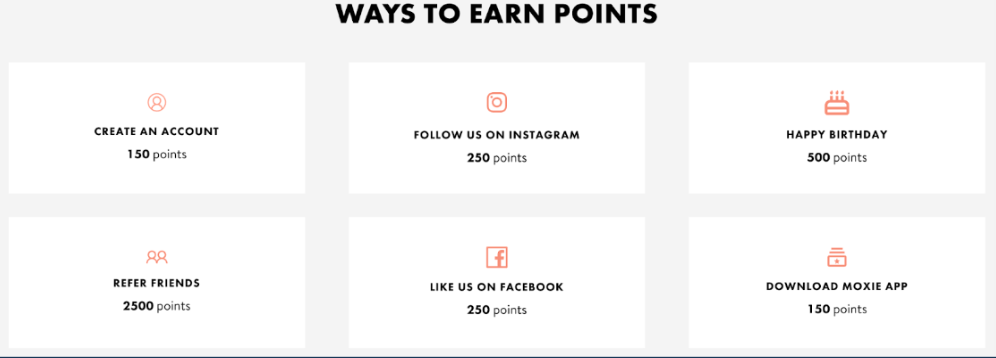
For customers, the rewards program works like this: for every 1000 points earned, you get $10 to spend on MoxieLash.
Customers earn points for purchases, but also for other engagement activities, like social media shares and app downloads.
For the brand, this rewards structure works well because it encourages customers to promote products across key marketing channels, which brings in new customers at low costs. For MoxieLash, the downside of giving product discounts for non-transactional activities is more than offset by the benefits of social media engagement.
MoxieLash’s results are impressive: their loyalty program members spend 1.5x more than non-loyalty program customers — they make 1.5x as many orders, too.
Tiered loyalty programs involve levels of membership that offer increasing rewards and benefits based on customer spending or engagement. They can be a great way to improve a customer rewards program.
They’re usually more complex to manage, but they can be more effective at creating customer loyalty.
Tiered loyalty programs are particularly well-suited to high-end, luxurious products, where the feeling of exclusivity can heighten the sense of luxury.
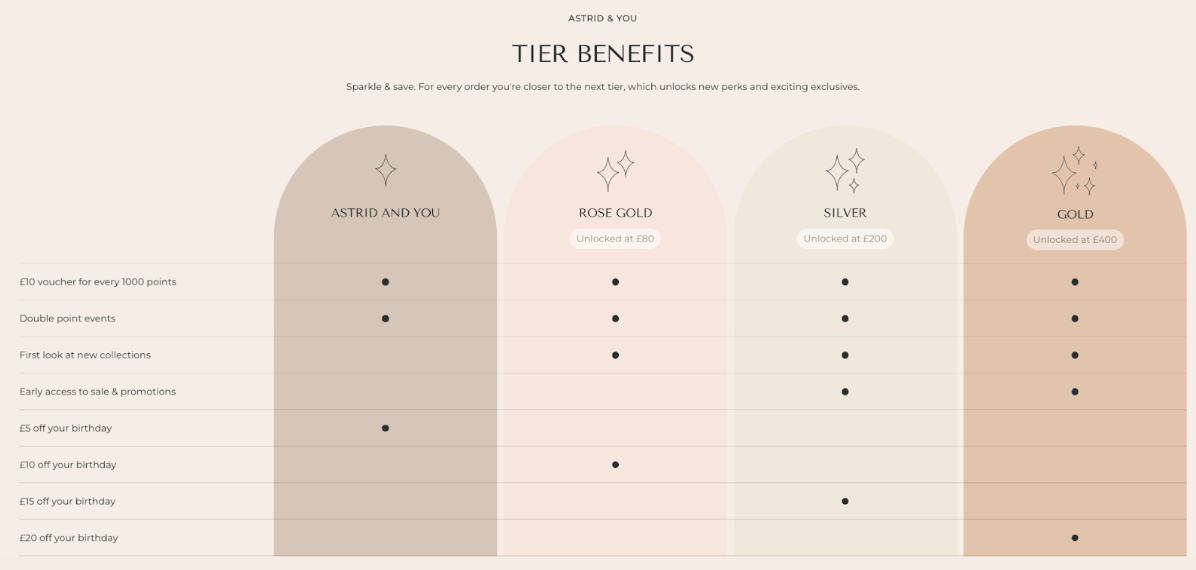
Astrid & Miyu’s loyalty program Astrid & You is a great example of a tiered rewards program. At the silver and gold tiers, customers get early access to sales and promotions. At gold, they get £20 off on their birthday.
Astrid & Miyu have seen great success from their loyalty program:
Of their success, they said:
“Our new reinvigorated approach has been extremely successful from a member enrollment perspective. It is helping us to draw in new customers, but its purpose goes way beyond that. With a combination of transactional and experiential rewards we don’t just secure a second purchase, but we inspire members to keep coming back for more and increase their lifetime value while doing so.”
Hospitality companies often use tiered loyalty programs, too. Hilton Honors is a notable example.
Tiered loyalty programs are particularly effective in industries with fluctuating demand. For such brands, an effective loyalty program strategy is one that increases the frequency of purchases.
Where purchases are frequent and consistent, and average order values low (as is the case for many retail brands), exclusive tiered benefits can be less of an incentive to make repeat purchases.
What makes these tiered loyalty programs so effective is that they understand their status as “luxury” purchases in the eyes of potential customers, and that therefore they might have to work harder to incentivize repeat custom. At the same time, they recognise that it’s exactly this luxury status that makes exclusivity an enticing benefit.
With subscription-based loyalty programs, customers pay an ongoing fee to get access to perks, products or exclusive events.
Because customers have to pay up-front — rather than passively accruing points as they shop — it’s more difficult to enroll customers onto your loyalty program. To make it an effective loyalty program strategy, the benefits have to be significant.
Despite this challenge, paid loyalty programs are growing in popularity: 44% of shoppers we surveyed said they’re more likely to join a paid loyalty program than they were 12 months ago. Overall, though, 46% said they wouldn’t ever pay for loyalty program access.
Barnes & Noble now runs a hybrid model. B&N Rewards is free: members get a stamp for every $10 spent and a $5 reward for every 10 stamps. Premium Membership costs $39.99 a year and adds 10% off in-store and online, free standard shipping and café drink upgrades. Paid membership suits frequent, less-considered purchases like books, and the free tier gives occasional buyers a way in.
Similarly, Amazon Prime gives customers unlimited, extremely fast delivery for a set fee.
In commoditized markets like bookselling, where it’s difficult to compete on anything but price, these bonuses tend to have a “lock-in” effect on customers. Once they’ve paid their membership fee, it’s a sunk cost, and they can choose between your next-day delivery or your competitor’s comparatively slow delivery. This can make a very effective model for retail loyalty programs.
Compare these industries to some of the luxury brands adopting tier-based loyalty programs. You’d have a hard time convincing someone to pay $10 a month for a subscription for a brand they purchase from a few times per year at most.
In Amazon’s case especially, subscription-based loyalty programs can also smooth the move into new markets. When the retail giant launched Prime Video, they had a ready-made audience of Prime customers ready to adopt it, and they could strengthen the loyalty program by adding it as an additional feature.
The results can be huge. Consumer Intelligence Research Partners (CIRP) estimates that in 2024, Prime members spent an average of $1,170 a year on Amazon.com, compared to $570 for non-Prime customers: roughly twice as much.
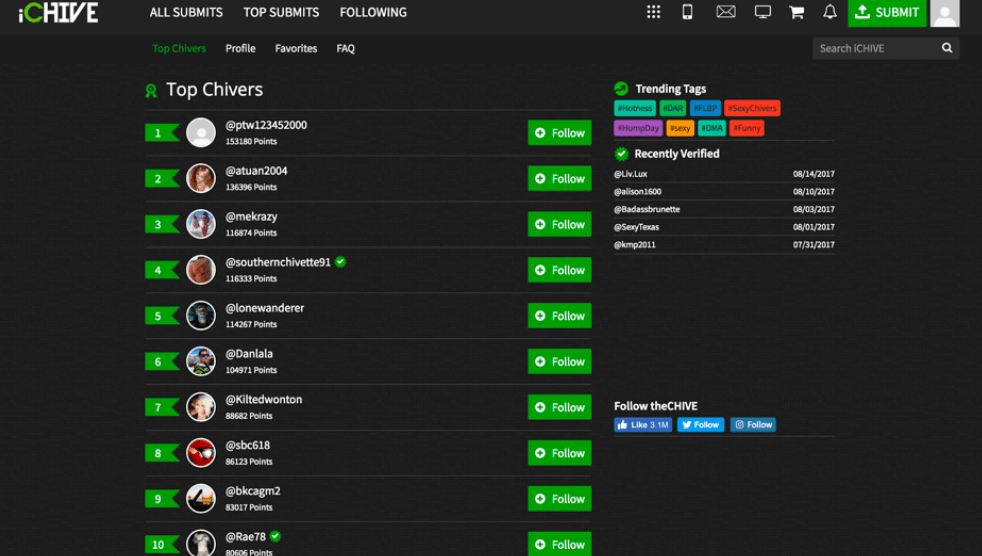
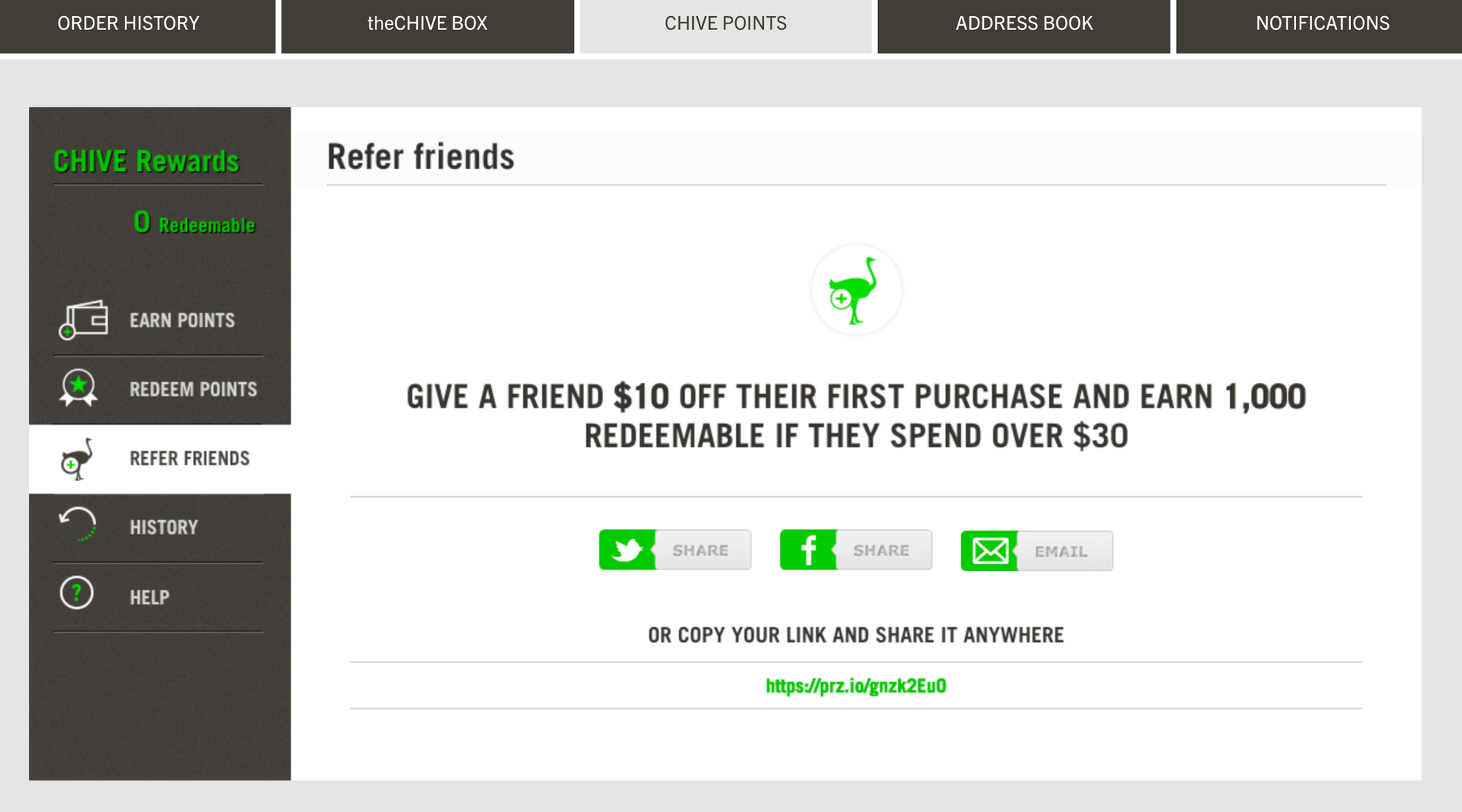
It’s not exactly a type of loyalty program, but lots of brands use gamification to boost engagement with their programs. One notable example is TheCHIVE.
Loyalty programs are a great way to compete on experience, not just price. And photo entertainment website TheCHIVE is doing exactly this. By rewarding their customers for photo uploads and social sharing, community is being put at the heart of their gamified blog.
As a result, the brand has gained an active community of highly engaged customers. They now attribute 6% of their annual revenue to their loyalty strategy – generating 6,800 referred visits per month.
By giving customers a reason to return to the site, they are more likely to shop again and again.
TheCHIVE leaderboard
The fashion and apparel ecommerce sector thrives on the allure of exclusivity and the joy of personal expression. Fashion loyalty programs are uniquely positioned to tap into these consumer sentiments. Here, loyalty isn’t just about transactions: it’s about becoming part of a fashion-forward community and enjoying the perks that come with it.
Many fashion brands generate significant revenue from their loyalty programs: LoyaltyLion customers in the fashion industry with $1-2m in annual revenue averaged $300,000 in loyalty revenue by year 3; the highest-performing programs earned $821,000.
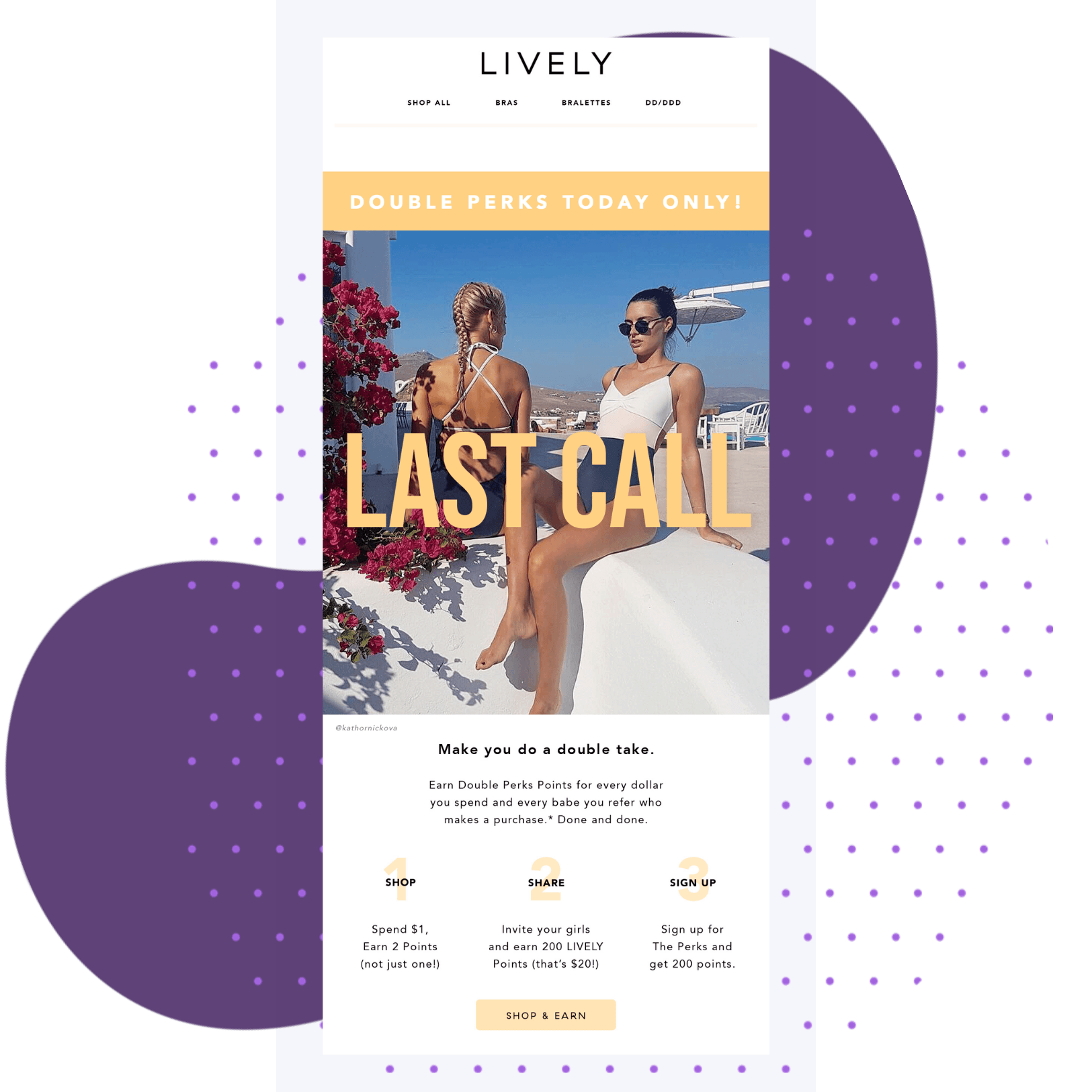
Fashion brand Lively is an example of a consumer loyalty program that makes its most loyal customers feel special. It rewards members with points on their birthday, when they refer a friend and if they follow Lively on social media.
It’s easy for members to see the perks because benefits are clearly explained across their site.
Not only is it an effective loyalty strategy for a fashion brand, but customers also see the value of joining straight away. They’ll get 100 “Lively points” just for signing up. And that translates into $10 off their next purchase.
So, it’s a retail loyalty program that offers instant gratification. It also creates a strong and lasting emotional bond with the customer early on.
The results are impressive: all this customer loyalty led to an increase in average customer lifetime value of 39%, and average spend increased by 36%.
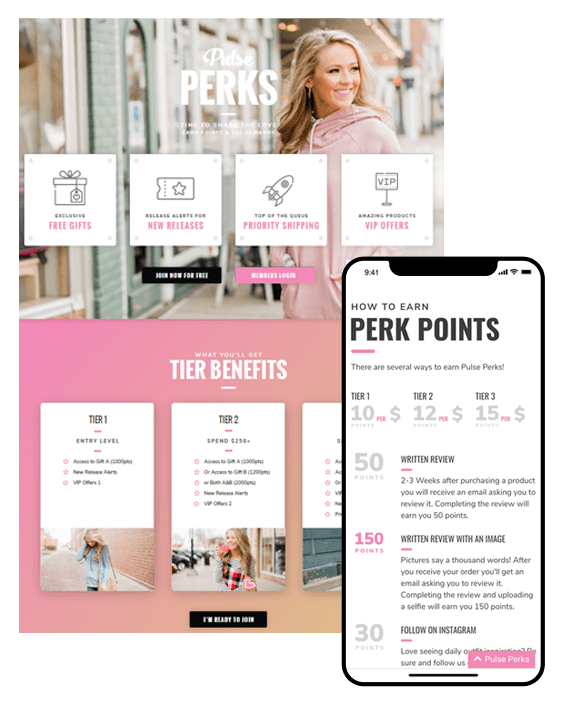
Women’s fashion store Pulse Boutique offers customers a better chance to engage with their brand by inviting them to be part of a trusted fashion community.
This customer loyalty program is called Pulse Perks. It aims to encourage customer engagement on social media. At the same time though, it also helps increase user-generated content (UGC), customer reviews and photo submissions.
UGC and reviews are vital to retail brands because shoppers trust recommendations from other customers far more than brand advertising.
Since its launch, this example of a loyalty program generated a 39% uplift in returning shoppers. It also drove a 19% growth in average order value (AOV).
These programs work because fashion is a highly visual and shareable industry. Encouraging customers to share their fashion hauls, style tips, or outfit of the day (#OOTD) posts with brand-centric hashtags can amplify a brand’s presence on social media. Brands like Zara and H&M have effectively used user-generated content to engage their community, creating a ripple effect of brand visibility and customer engagement.
The key for fashion ecommerce brands is to tailor loyalty programs that not only reward purchases but also encourage brand interaction and social sharing. This approach resonates well with fashion consumers who value both the product and the experience surrounding it.
In the beauty and cosmetics ecommerce industry, loyalty programs play a pivotal role in enhancing customer experience and brand loyalty. In this sector, characterized as it is by its emphasis on personal care, self-expression, and frequent product launches, the best loyalty programs find unique value in personalized rewards and exclusive experiences.
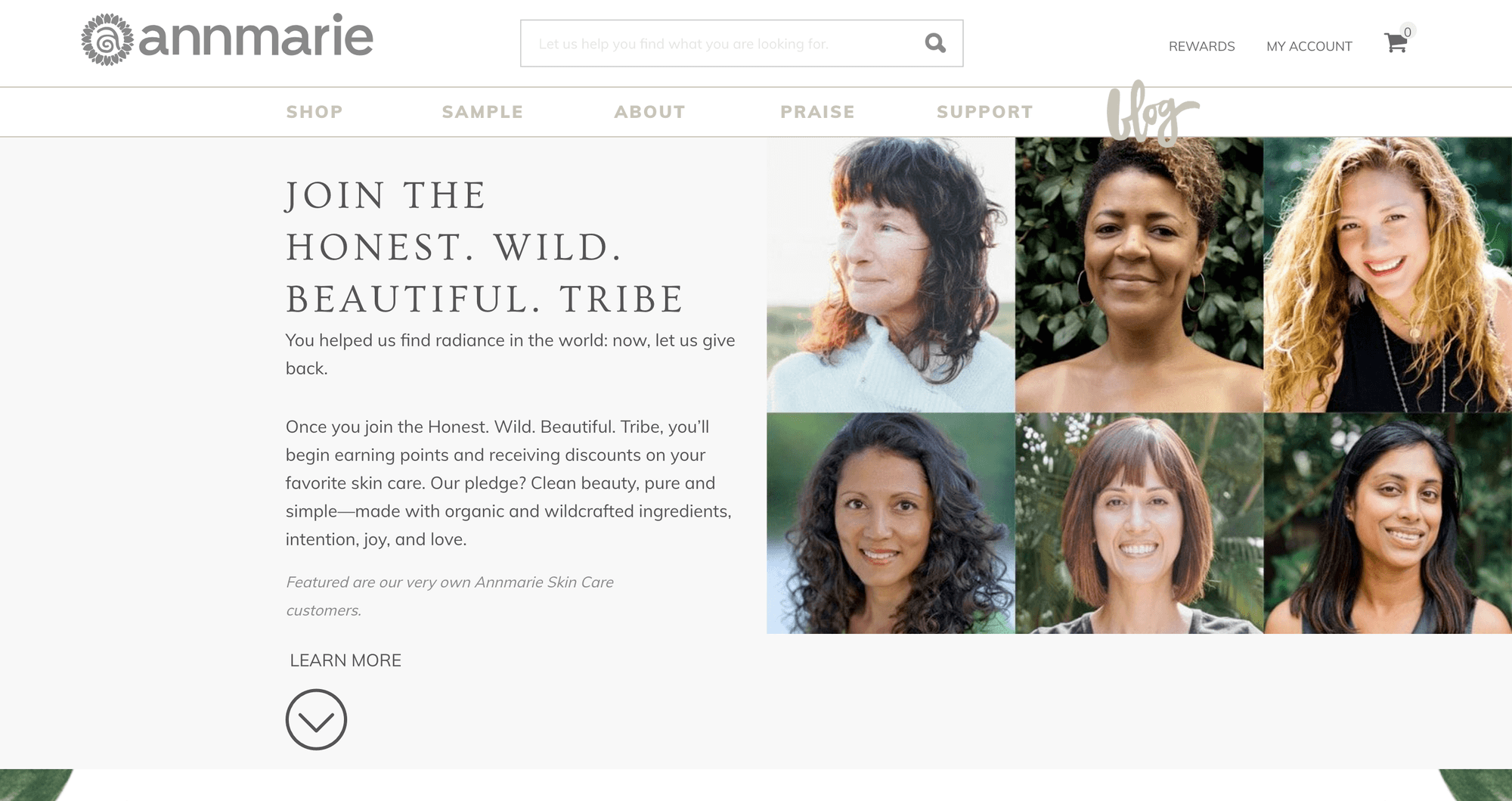
The aim of Annmarie Skin Care was to develop a loyalty program where members felt part of a community that shared similar beliefs and values. So, they created the “Wild and Beautiful Collective” to bring their members together.
It’s so important to create a sense of community – especially in the beauty industry. Beauty shoppers are often vocal on social media, for example. They’ll share tips, recommendations and look to learn and thrive from each other.
The “Wild and Beautiful Collective” is a membership program example that nurtures this sense of inclusion through its name and mission. And it works. Annmarie Skin Care’s approach is a highly successful example of a retail loyalty program: members spend (on average) 140% more than non-members. The brand generated more than 1000 reviews too.
Meanwhile, they enjoy high levels of engagement with members, with 40% of points being redeemed within three months of being awarded.
For customers, the program offers 1 point for every $1 spent, with free products at different points thresholds (for example, a free antioxidant lip balm at 500 points). 250 points are given for the initial sign up, and there are frequent 2x and 3x point days.
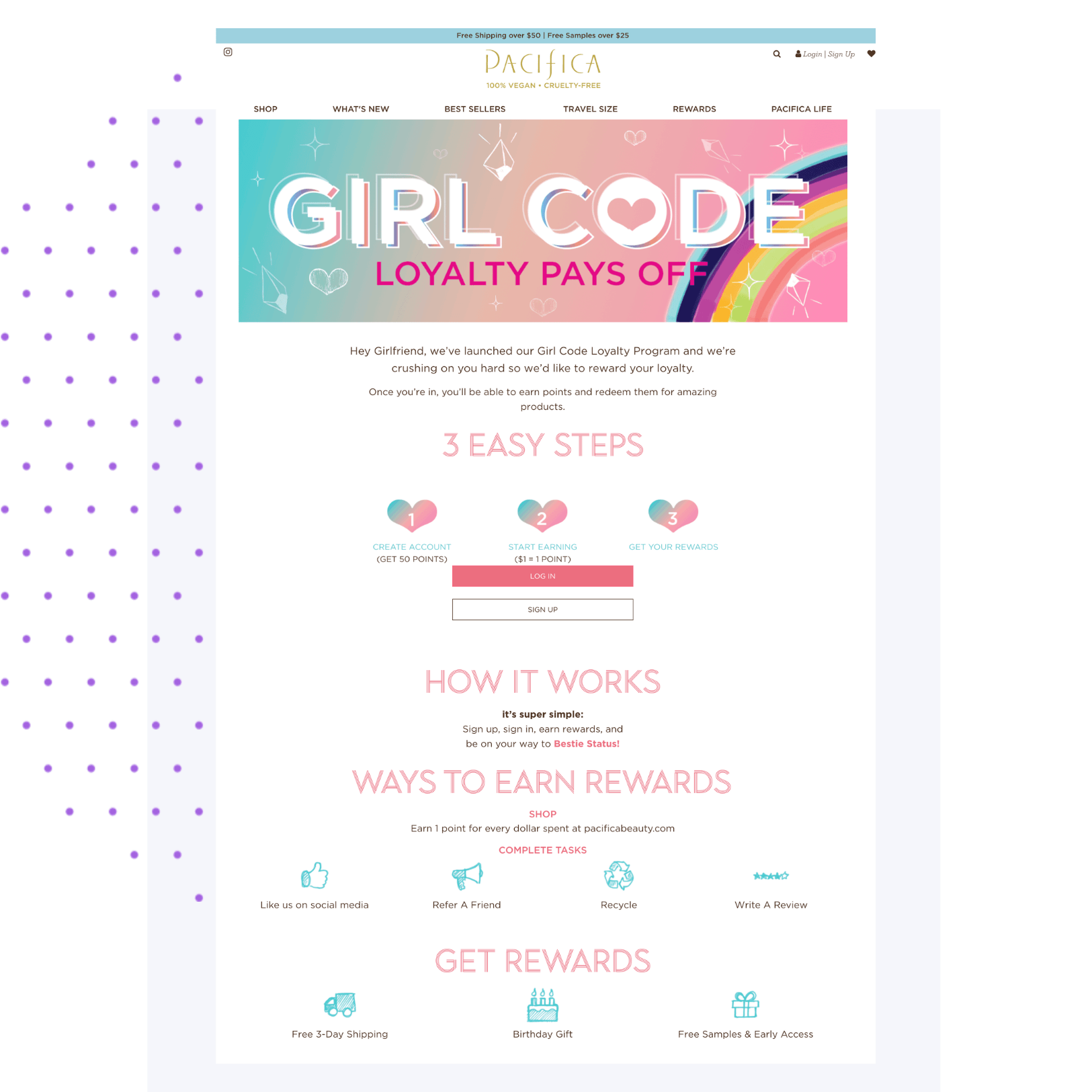
Pacifica Beauty’s customer loyalty offering seeks to engage customers through the whole buyer journey. It has a branded, easy-to-use loyalty page. And there’s a pop-up display that will show you how many points you can redeem in the cart. At each stage of the process, the brand aims to make it easy for the customer.
As you near the end of your buyer journey, Pacifica Beauty shows a checkout slider. This lets you claim the rewards you’ve earned towards your purchase.
Now, thanks to this example of a customer loyalty strategy, Pacifica Beauty’s members spend 130% more on average than non-members.
Pacifica’s rewards program also led to a 47% increase in repeat purchase rates and 46% increase in overall customer spend. 35% of all revenue now comes from their loyalty program members.
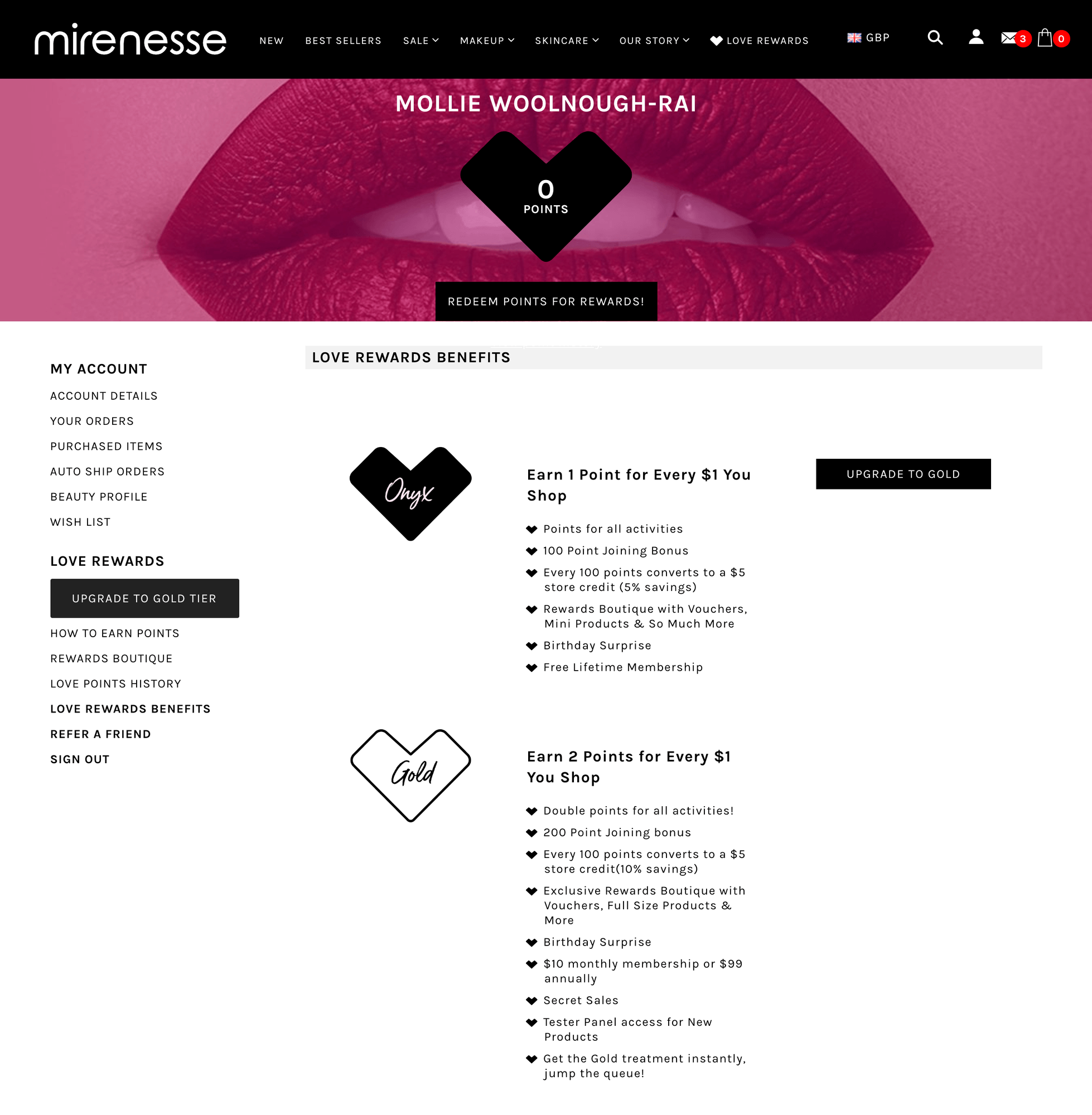
Beauty brand Mirenesse elevated their loyalty program by introducing a special paid member tier. This is known as the “Gold” tier.
In exchange for a $10 monthly membership, customers of this VIP tier get extra perks on top of the basic rewards. This includes two points for every dollar spent, access to secret sales and the chance to trial new products as part of a tester panel.
We worked with Mirenesse’s team to achieve a 50% increase in member spend with a 51% higher repeat purchase rate compared to non-redeeming members — in less than a year.
Outdoor brands have long done more than most to connect with their customers based on shared values.
Patagonia set the standard with their “Don’t buy this jacket” PR campaign. The ad, which encouraged potential customers to buy a used Patagonia jacket rather than a new one, detailed the environmental impact in the creation of each new jacket.
A number of other big outdoor brands have incorporated this apparently-genuine, values-based customer connection into their loyalty programs.
The North Face’s XPLR Pass is free to join: members earn 1 point per $1 spent, with every 100 points converting into a $10 reward, alongside perks like exclusive gear access, birthday gifts and members-only events.
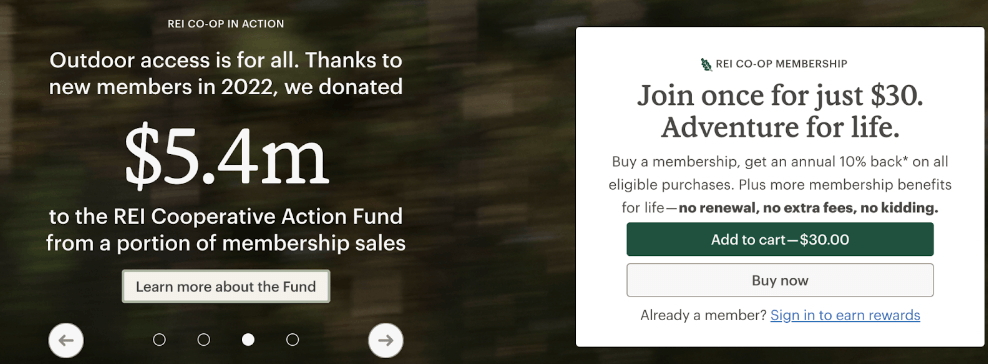
REI’s Co-op Membership program, along with the more standard benefits of discounts and free delivery, builds on the connection between customer and brand by giving cashback on purchases based on business profits. They’re also invited to elect candidates to the board. It’s one of the best rewards programs at using ethics and values to generate loyalty.
It works at scale: in 2025, REI distributed $203 million in Co-op Member Rewards and grew to more than 26 million members.
So why does it work? Because the products customers buy from these brands are used towards a hobby they care about. They’re not necessary purchases, they’re purchases that reflect these customers’ values. And brands share those values in an authentic way — through their transparency, ethical business structures and focus on sustainability.
It’s not something you can fake. And it’s harder — but not impossible — to build this kind of connection when you sell an everyday commodity.
This kind of loyalty – based on authentic, shared values – remains significant. In SAP Emarsys’s 2025 Customer Loyalty Index, 27% of consumers said they’re loyal to brands for ethical reasons, up from 24% in 2021 (though down from a 2024 peak of 30%).
For customers, the rewards go beyond just discounts. They get to have a direct impact on the direction of a company they genuinely care about.
Loyalty programs succeed and fail by the attractiveness of their rewards — but how you design and brand your loyalty program can make a big difference too.
Lucy and Yak, a sustainable dungarees brand, is notable for its visually appealing integrated loyalty page. Using UGC photos of customers wearing their products and lifestyle imagery to showcase how customers can earn points, it is fun and on-brand.
Lucy and Yak describes its customer loyalty platform in their own tone of voice. You don’t just earn points, you earn “Yak points”. You don’t get “tier 1”, “tier 2” and “tier 3”, you get “Comfort Lover” “Yak Enthusiast” and “Dungaree Devotee”.
Lucy and Yak makes the most of its strong brand personality to boost its loyalty program. And that, in turn, strengthens the brand further.
The results speak for themselves: Lucy & Yak increased the customer spend of loyalty program members by 80%. They also increased the number of orders made by members by 78% and saw the likelihood of those engaging in the program purchasing up to 5 times increase by 85%.
Waterdrop – a “micro drinks” company – are paying careful attention to the look and feel of their loyalty program page. It means the Waterdrop Club is synonymous with the overall branding. We love the results.
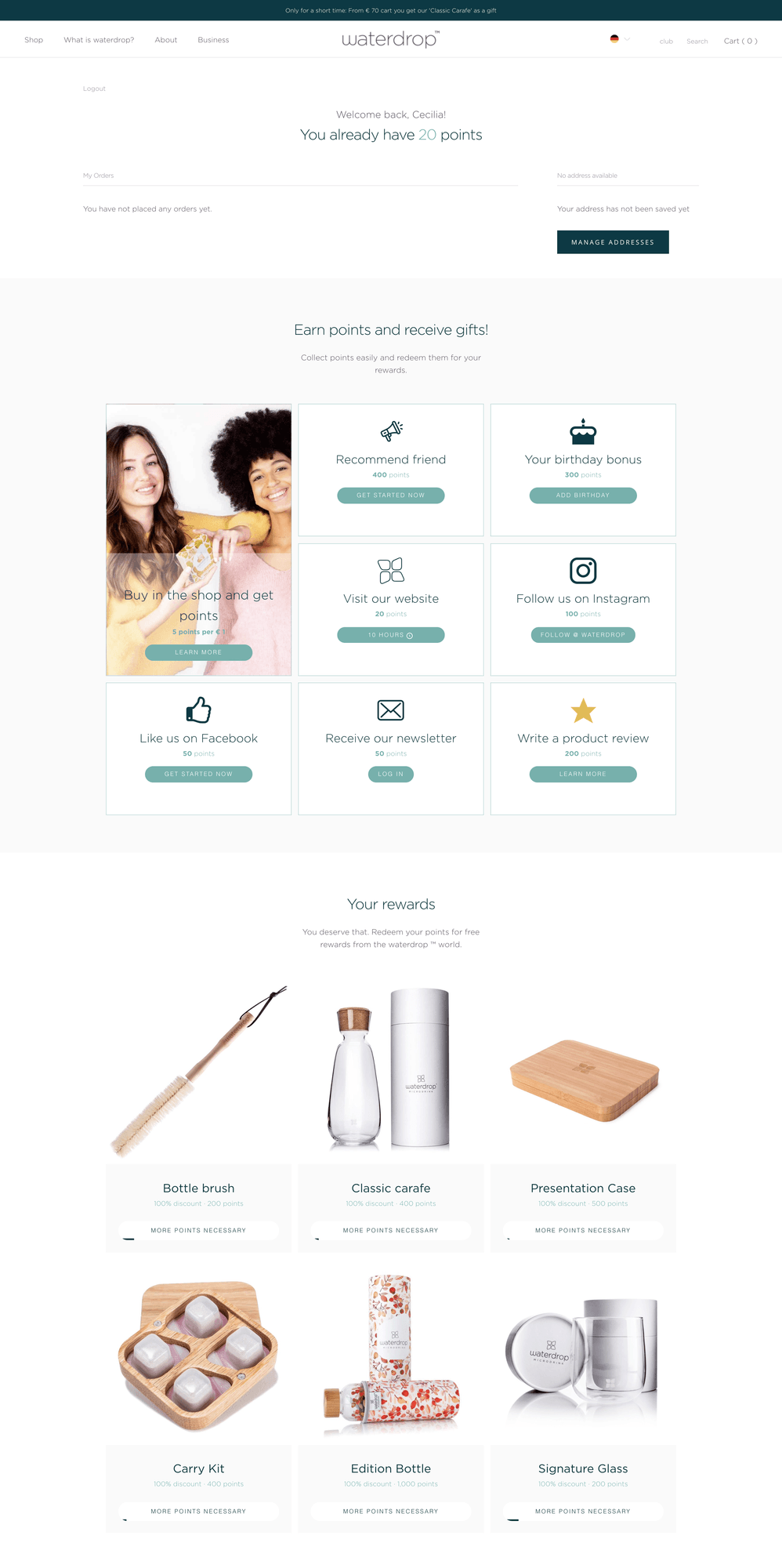
It uses fresh colors, light imagery and inclusive language.
On the page itself, everything is signposted clearly – from actions that customers must take to earn points, to information on the free gifts they can acquire.
Waterdrop’s loyalty program helped the brand to generate more than €58,000 from referrals. It’s one of the most effective health and wellness loyalty programs out there.
But if you’re looking for good examples of loyalty programs, sometimes the clue is in the name.
Working with LoyaltyLion, Waterdrop increased their customer spend by 90% and repeat purchase rate by 70%.
Nicce Clothing paid special attention to the name of their program and how they named their points system. “N Coin” is a simple, yet memorable term. It’s a customer loyalty program that clearly has its own brand. But Nicce Clothing also ensures it works with their overall contemporary and minimalist identity.
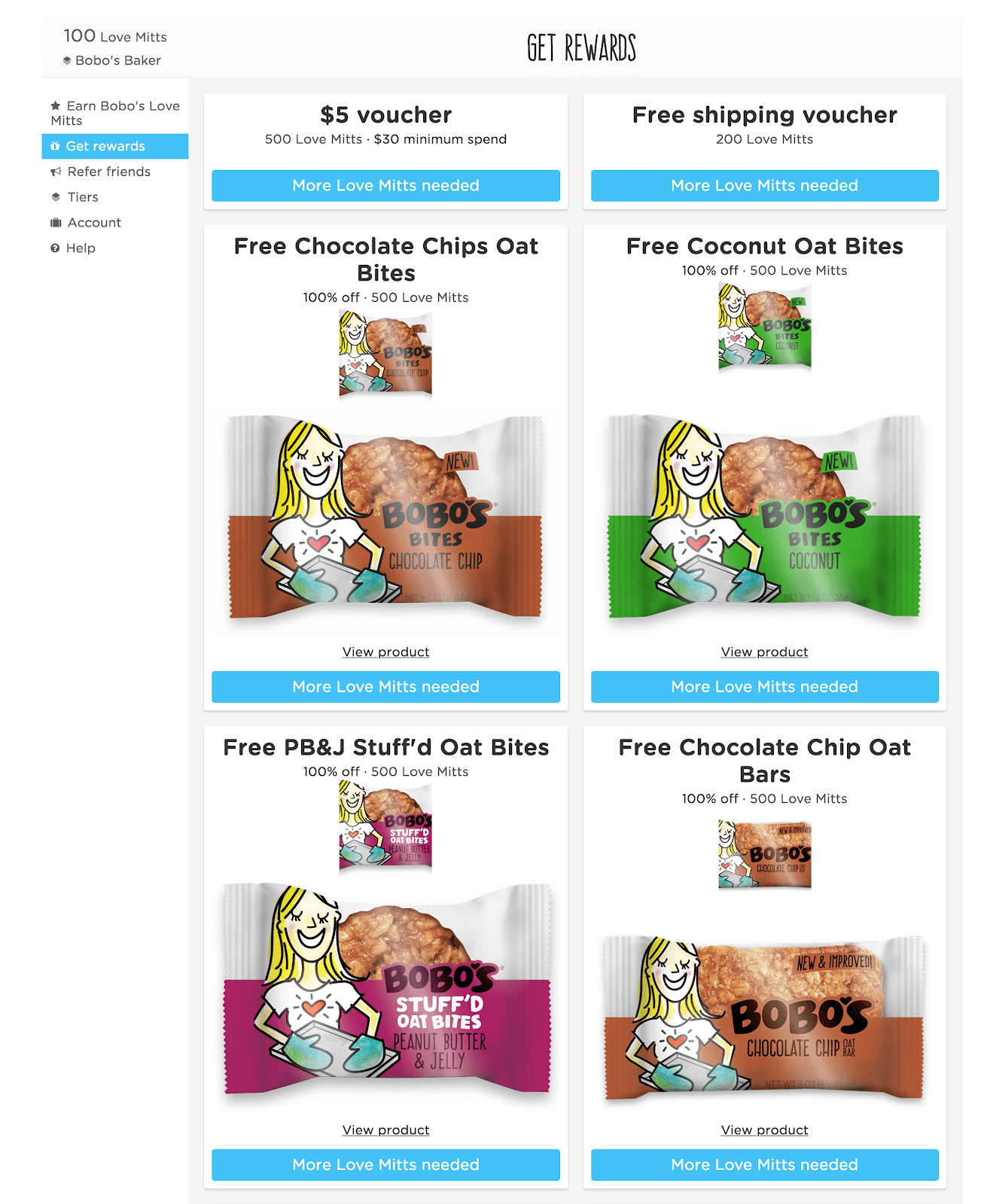
A family-run oat bar company, Bobo’s got creative in naming their loyalty program example. Bobo’s Love Mitts is the name, while the points are called “Love Mitts”. Like Lucy and Yak, Bobo’s loyalty program leverages and strengthens their down-to-earth, crafted-by-hand image.
If you want people to sign up to your loyalty program, you need to tell them about it. So a key part of your loyalty program strategy should consider how you’ll communicate your rewards scheme to your customers.
Here are a few brands that are particularly good at marketing their loyalty program.
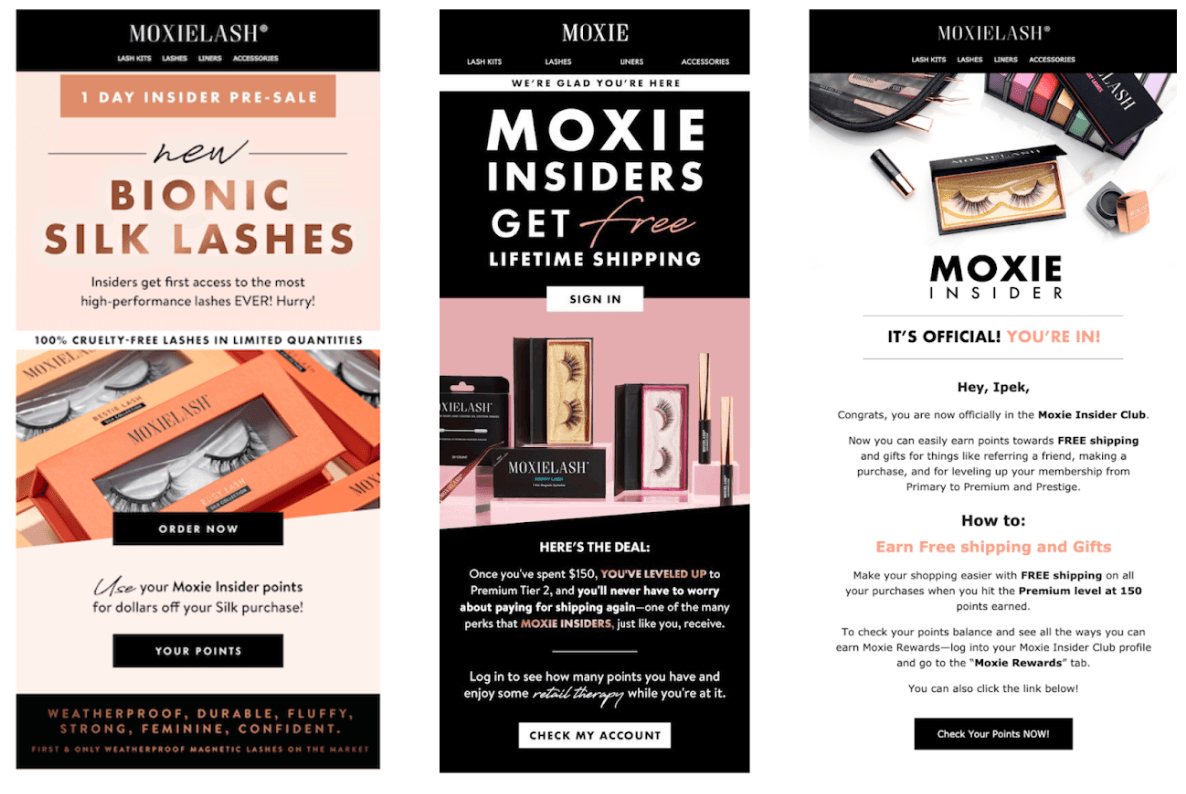
The best loyalty programs make good use of email marketing, and MoxieLash get their loyalty emails right. They’re visually appealing, to-the-point, and the value proposition is crystal clear.
Encourage your customers to enroll in your loyalty program by building it a standalone page.
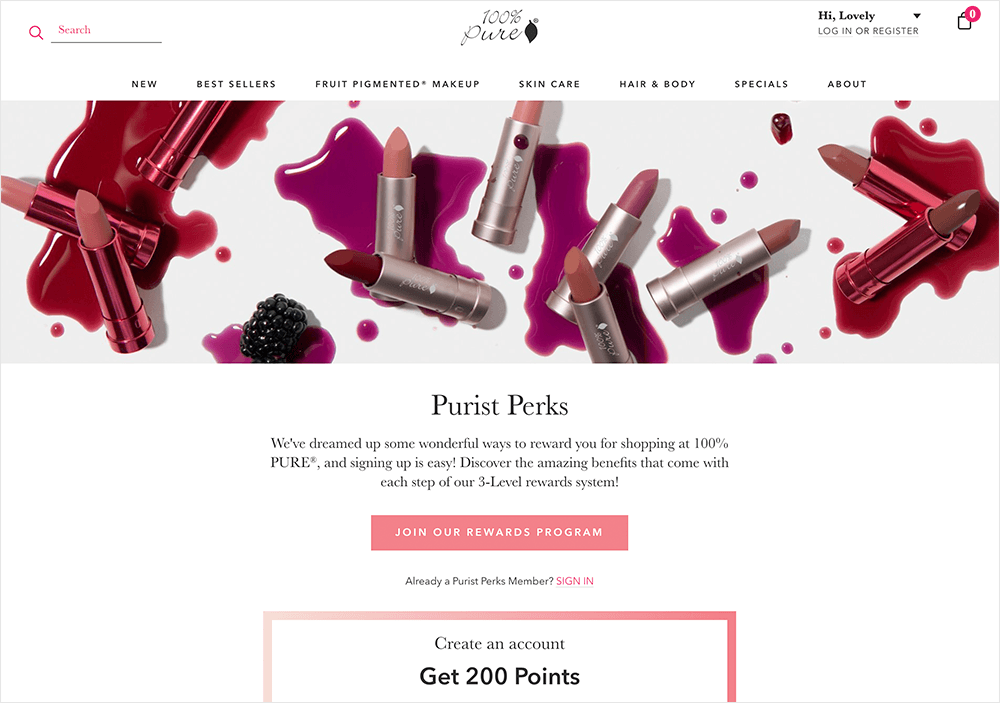
100% PURE built a beautifully designed loyalty page to explain the benefits of the loyalty program and to encourage customers to enroll.
“Short-time only” promotions encourage loyalty program sign-ups by creating a sense of scarcity. You could try “double points week”, or offering money off a product to loyalty program members for a month.
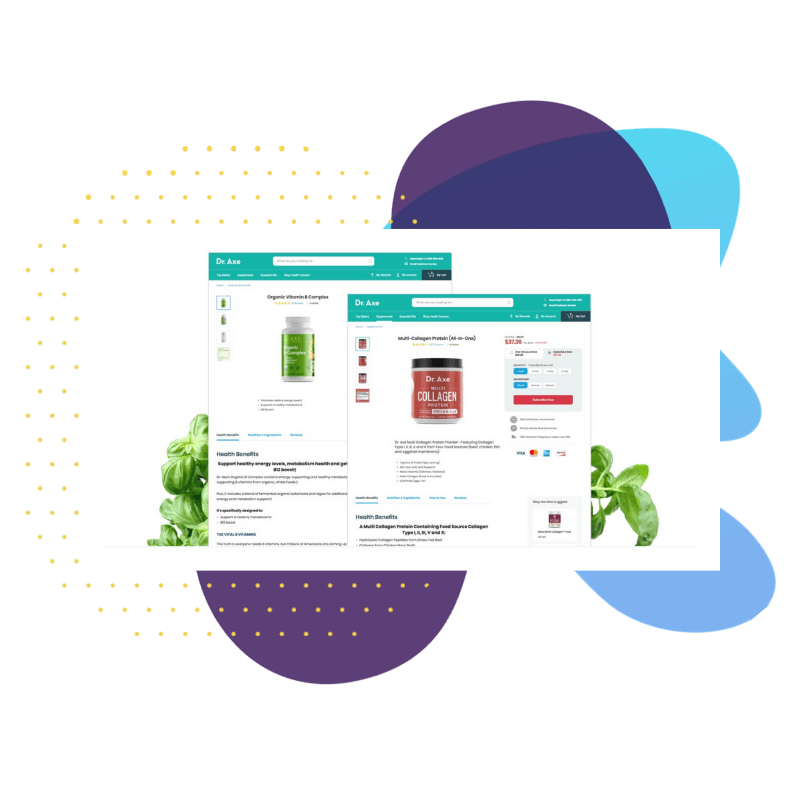
Dr. Axe has run promotions like triple point weeks, seasonal offers and higher rewards for referrals.
They also incorporate the loyalty program into all their email marketing and across their website.
Word-of-mouth referrals are often the best way to acquire high-value customers at low cost. Building specific rewards for referrals into your loyalty program is a good way to increase its value.
Like Pulse Boutique, you can use website banners to announce the launch of your loyalty program. It’s a solid, concise way to explain the benefits and include a strong call-to-action.
An often-effective way to scale up your loyalty program is to introduce a competitive element — for example, by creating a kind of “leaderboard” of referrals, and rewarding those customers who are most prolific.
And by having an effective loyalty program marketing plan for those newly referred customers, this can turn into a virtuous cycle.
These examples show us just how powerful loyalty programs can be, how great brands are making the most out of theirs, and how you can use your understanding of your own audience to design your own successful loyalty program.
But for many smaller ecommerce businesses, the biggest challenge is implementation. How do you set up, optimize and analyze your loyalty program without significant investment of both time and money?
With this, LoyaltyLion can help. On average, our customers see additional loyalty revenues of hundreds of thousands by their third year of using our software.
You can view the averages in the table below, or forecast your own loyalty revenue using our calculator. When you’re ready to get started, book a demo.
| Industry | Revenue | High-performing (3yr) | Average (3yr) |
|---|---|---|---|
| Apparel & Fashion | $500k–1M | $414k | $177k |
| $1M-2M | $821k | $300k | |
| $2M-5M | $1.5M | $547k | |
| $5M-10M | $4.9M | $1.67M | |
| $10M-50M | $10.3M | $3.05M | |
| Beauty & Cosmetics | $500k–1M | $632k | $291k |
| $1M-2M | $1.3M | $607k | |
| $2M-5M | $2.5M | $1.03M | |
| $5M-10M | $6.3M | $2.73M | |
| $10M-50M | $13M | $5.71M | |
| Food & beverage | $500k–1M | $604k | $251k |
| $1M-2M | $1.2M | $397k | |
| $2M-5M | $3.14M | $1.3M | |
| $5M-10M | $5.51M | $2.8M | |
| $10M-50M | $19.7M | $8.1M | |
| Home & Garden | $500k–1M | $315k | $152k |
| $1M-2M | $581k | $293k | |
| $2M-5M | $1.87M | $505k | |
| $5M-10M | $2.97M | $1.3M | |
| $10M-50M | $11M | $4.7M | |
| Pets | $500k–1M | $507k | $249k |
| $1M-2M | $1.29M | $814k | |
| $2M-5M | $3.26M | $1.6M | |
| $5M-10M | $7.82M | $5.5M | |
| $10M-50M | $14.1M | $7.0M | |
| Nutrition | $500k–1M | $598k | $258k |
| $1M-2M | $1.5M | $710k | |
| $2M-5M | $3M | $1.5M | |
| $5M-10M | $6.6M | $3.6M | |
| $10M-50M | $18.6M | $9.5M | |
| Adult | $500k–1M | No data | No data |
| $1M-2M | $1.8M | $791k | |
| $2M-5M | $1.73M | $985k | |
| $5M-10M | No data | $4.9M | |
| $10M-50M | $7.37M | $4.6M | |
| Arts & Crafts | $500k–1M | $600k | $328k |
| $1M-2M | $1.45M | $556k | |
| $2M-5M | $5.12M | $2.4M | |
| $5M-10M | $8.48M | $2.9M | |
| $10M-50M | No data | No data | |
| Fitness | $500k–1M | $198k | $102k |
| $1M-2M | $1.07M | $363k | |
| $2M-5M | $1.29M | $486k | |
| $5M-10M | $4.67M | $1.8M | |
| $10M-50M | $12.1M | $6.1M | |
| Games & Electronics | $500k–1M | $219k | $81k |
| $1M-2M | $1.39M | $428k | |
| $2M-5M | $2.61M | $740k | |
| $5M-10M | No data | $558k | |
| $10M-50M | No data | No data | |
| Jewelry | $500k–1M | $444k | $155k |
| $1M-2M | $600k | $135k | |
| $2M-5M | $1.59M | $732k | |
| $5M-10M | $2.91M | $1.4M | |
| $10M-50M | $6.43M | $3.3M | |
| Kids | $500k–1M | $601k | $218k |
| $1M-2M | $1.2M | $603k | |
| $2M-5M | $1.4M | $659k | |
| $5M-10M | No data | No data | |
| $10M-50M | $13.3M | $7.3M | |
| Other | $500k–1M | $1.13M | $453k |
| $1M-2M | $2.05M | $831k | |
| $2M-5M | $2.62M | $1.2M | |
| $5M-10M | $3.8M | $1.6M | |
| $10M-50M | No data | No data |



© Copyright 2026. All rights reserved.